How has the market for Luxury watches changed in the last couple of years?
The luxury watch market has undergone a significant shift in recent years. Consumers today, especially younger ones, are far more informed and globally aware. For them, luxury isn’t just about owning something expensive; it’s about meaning, craftsmanship and personal expression. We see that people are looking for authenticity, sustainability and products that feel unique and hold long-term value. At the same time, markets like India have emerged as key growth drivers, supported by rising disposable incomes and a growing appreciation for fine Swiss watchmaking.
How has the past year been for the brand, particularly in the Indian market?
Despite the global geopolitical challenges, the past year has been strong for Rado across most markets worldwide. India, in particular, delivered exceptional results as we continued to welcome many new customers, making 2025 another record year. The momentum has carried into 2026 as well.
India has now become our number one market worldwide, supported by a robust retail network of over 210 points of sale, including more than 37 exclusive boutiques and 175 multi-brand outlets.
What changes have you noticed in the buying behaviour of Indian customers?
Indian consumers are far more discerning and confident in their choices. There is a clear shift from purely aspirational buying to informed decision-making, where customers are interested in the materials, the craftsmanship and the story behind each watch. We also see a younger audience entering the category, viewing watches as a means of expressing personal style rather than just functional objects. Additionally, demand is no longer limited to the metro cities, as Tier 2 and Tier 3 cities are showing strong and steady growth as well.
What is the demographic of your consumer in India? Would you be expanding the scope to include a newer segment?
Our consumer base in India is becoming increasingly diverse. While we continue to have a strong base of established luxury buyers, we are seeing a growing segment of younger, affluent consumers.
Globally, our audience is evenly split between men and women, while in India, it is currently around 60 per cent men and 40 per cent women. Expanding our appeal to younger audiences and increasing engagement with women consumers remains a key focus.
What sets Rado apart from everyone else in the market?
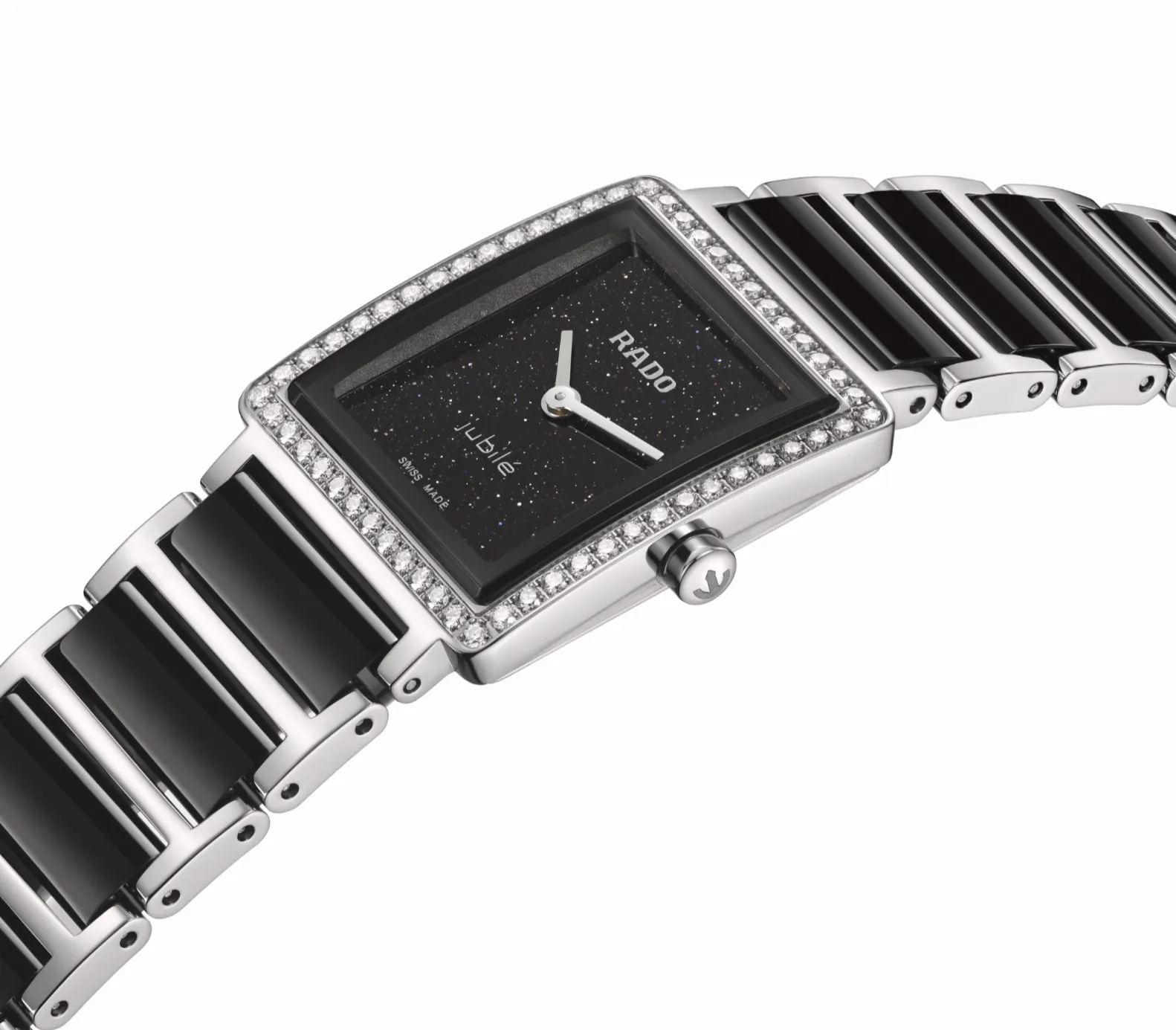
What truly sets Rado apart is our leadership in material innovation. We have been pioneers in the use of high-tech ceramic, which offers a unique combination of durability, lightness, scratch resistance and exceptional comfort. Combined with a strong design-led approach and a clear brand identity, this allows us to create timepieces that are both technologically advanced and distinctive. We hold a strong position in the CHF 1,000 to 5,000 segment globally.
What is your focus for next year in the Indian market?
India will continue to be a priority market for us, and our focus is on sustainable, qualitative growth. We aim to further strengthen our retail presence through Rado boutiques, enhancing the customer experience, particularly in cities beyond the major metros. We also see strong potential in enhancing our digital ecosystem and storytelling, ensuring that we stay closely connected with a young and diverse audience. I strongly believe that the Indian market will be central to the future of luxury, and our goal is to continue building long-term brand value and strengthening our relationships with the large and passionate Rado community in the country.
 |





