The Motorola Edge 70 Pro represents the third entry in the Edge 70 family, following the style‑oriented Edge 70 and the balanced Edge 70 Fusion. With a price of Rs 38,999, it positions itself in the competitive upper‑midrange segment, directly against rivals such as the Nothing Phone (4a) Pro, OnePlus Nord 6, and the Poco X8 Pro Max. Motorola’s stated ambition is to consolidate the strengths of the series into a refined, well‑rounded package, and the Edge 70 Pro is the closest the company could have gotten. We are talking about a smartphone that offers extremely great value for price in terms of performance, software, and CMF.
First Impressions: Design And Build Quality
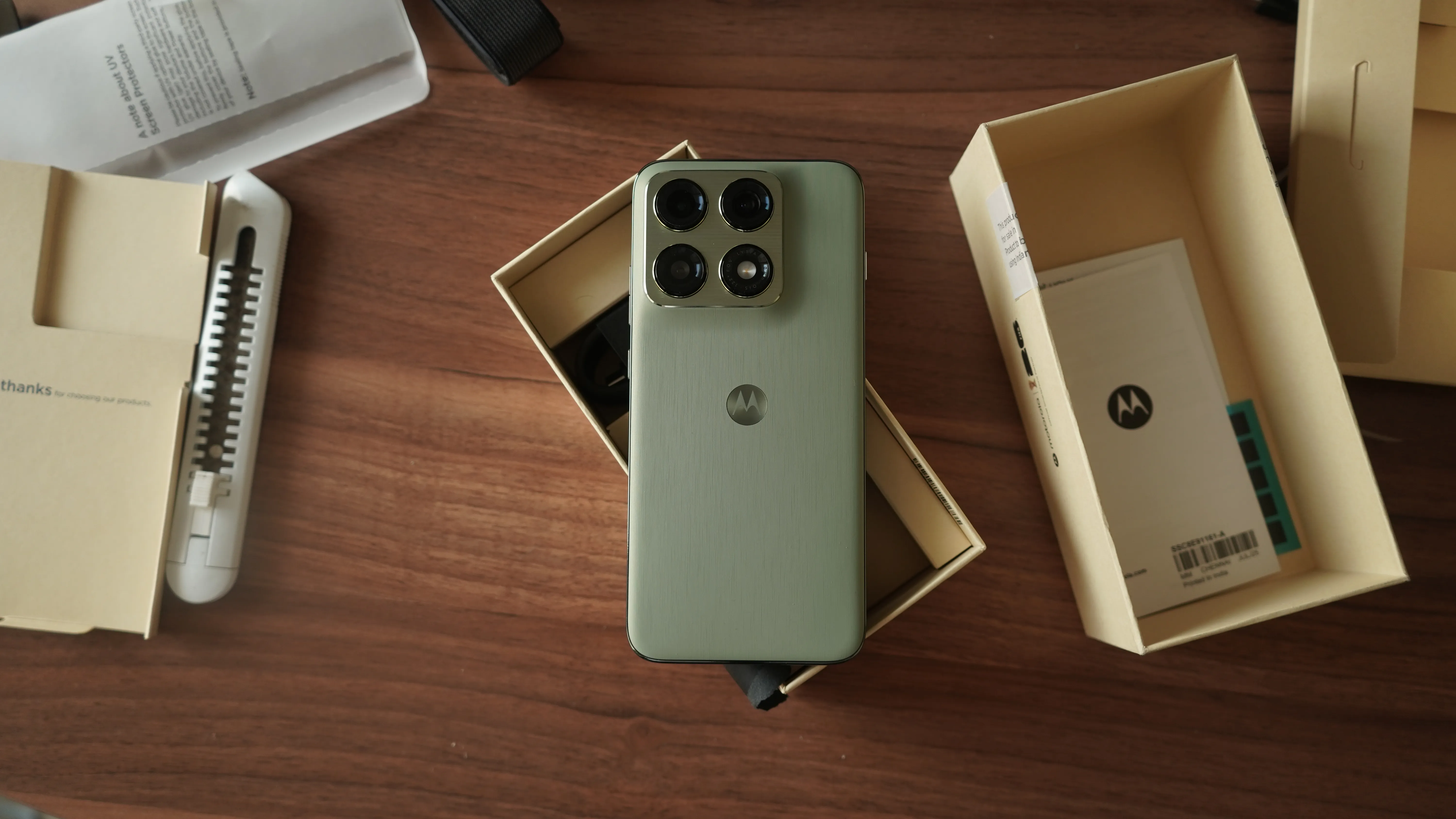
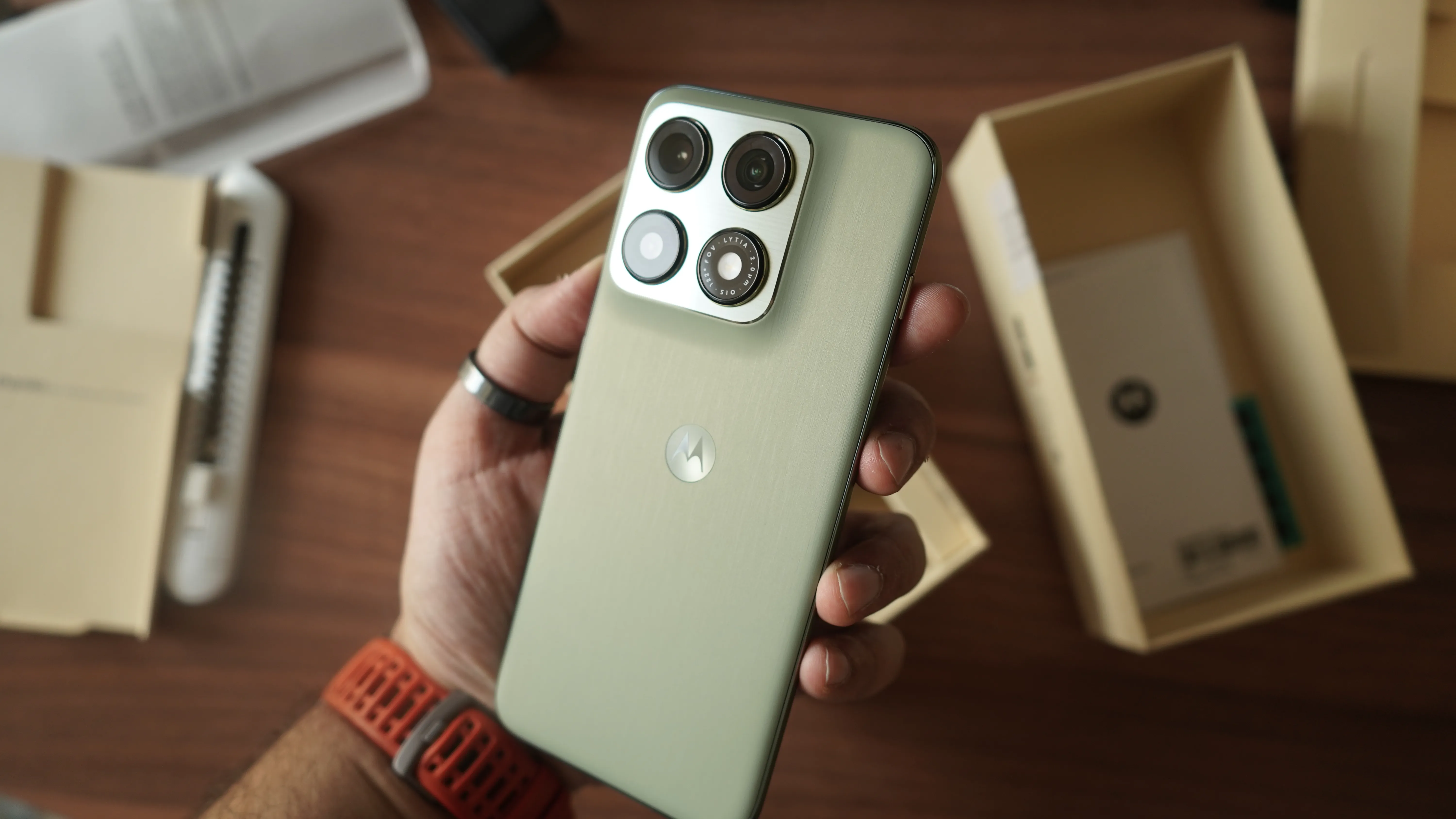
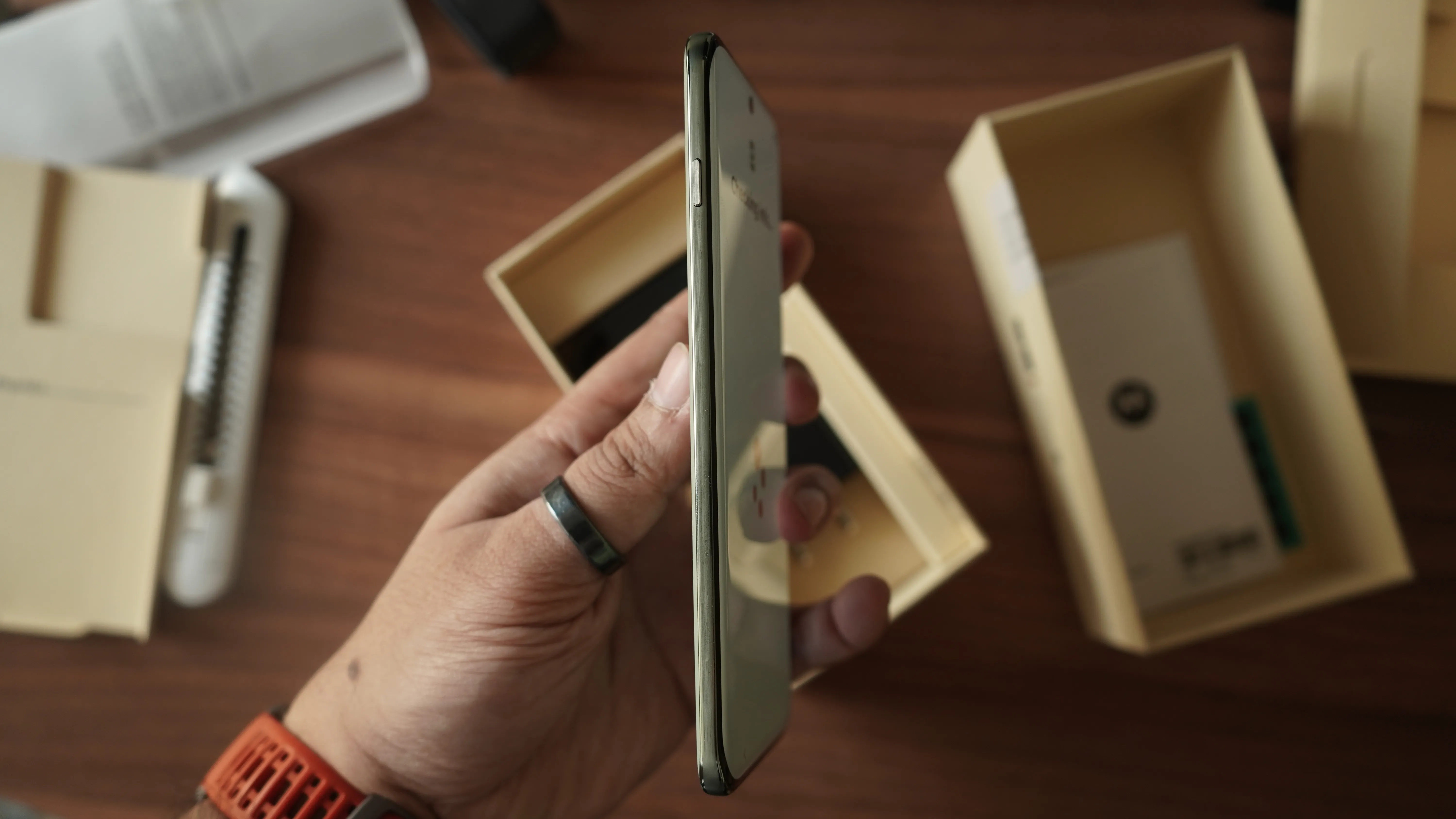
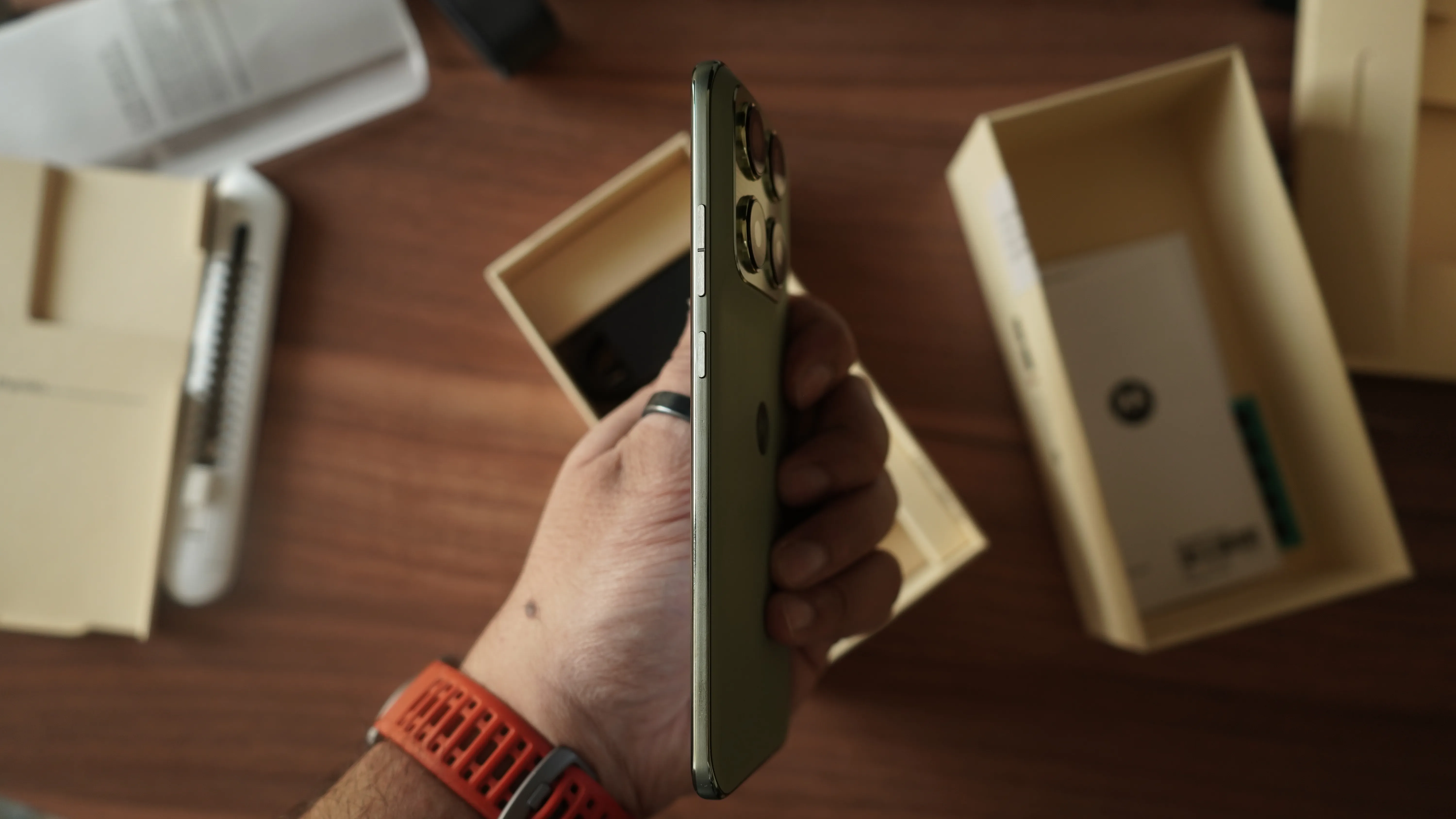
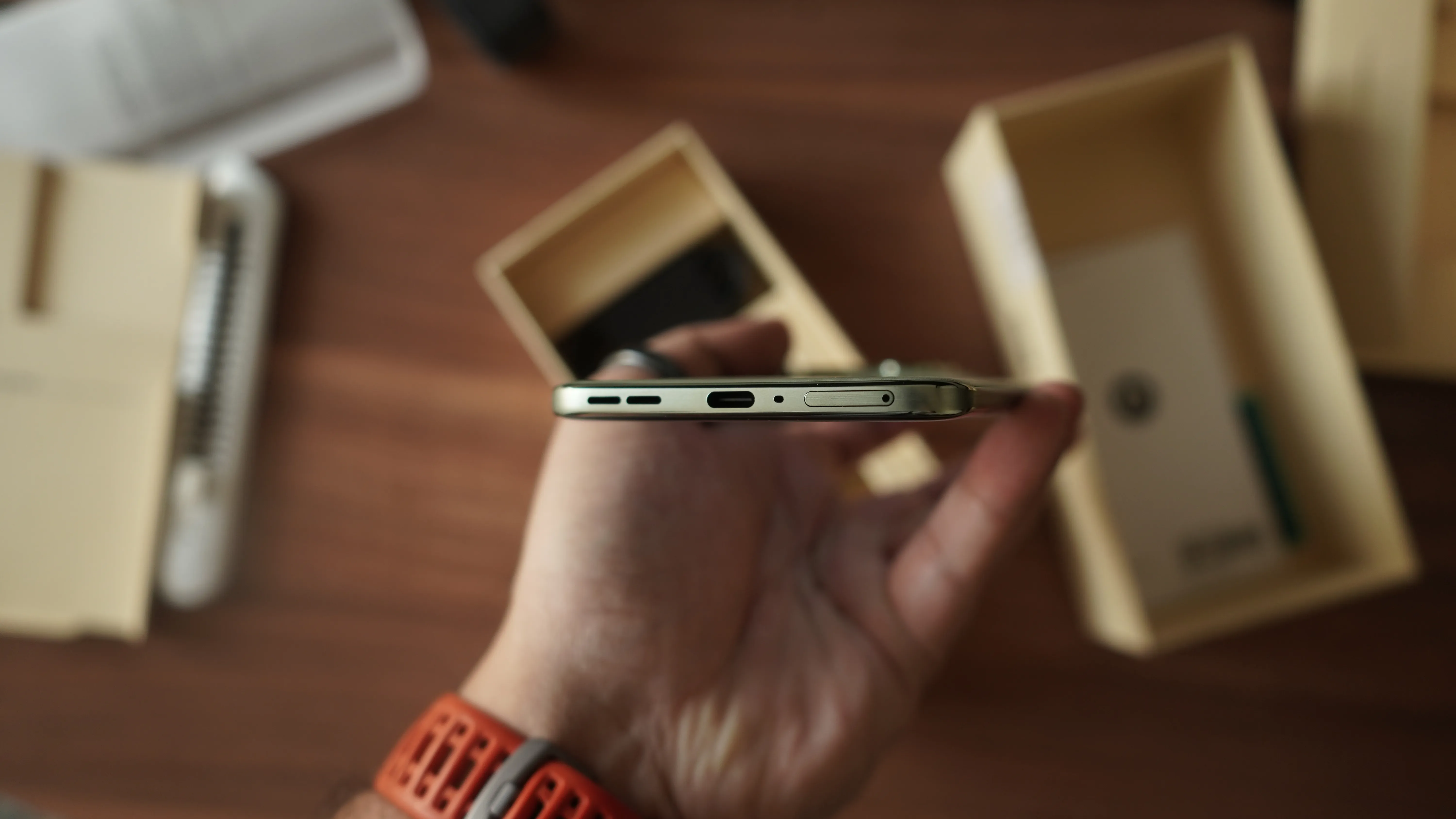
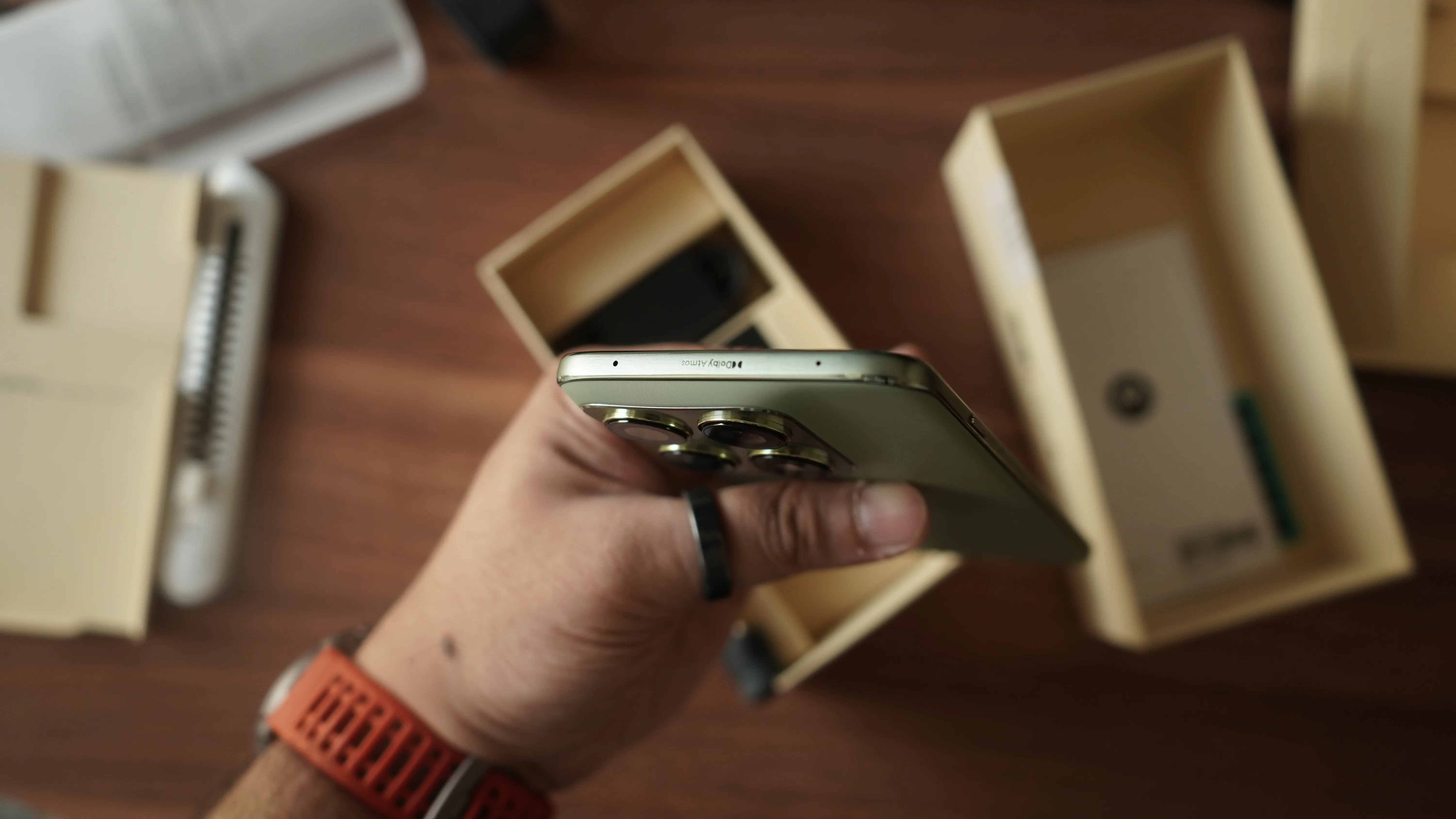
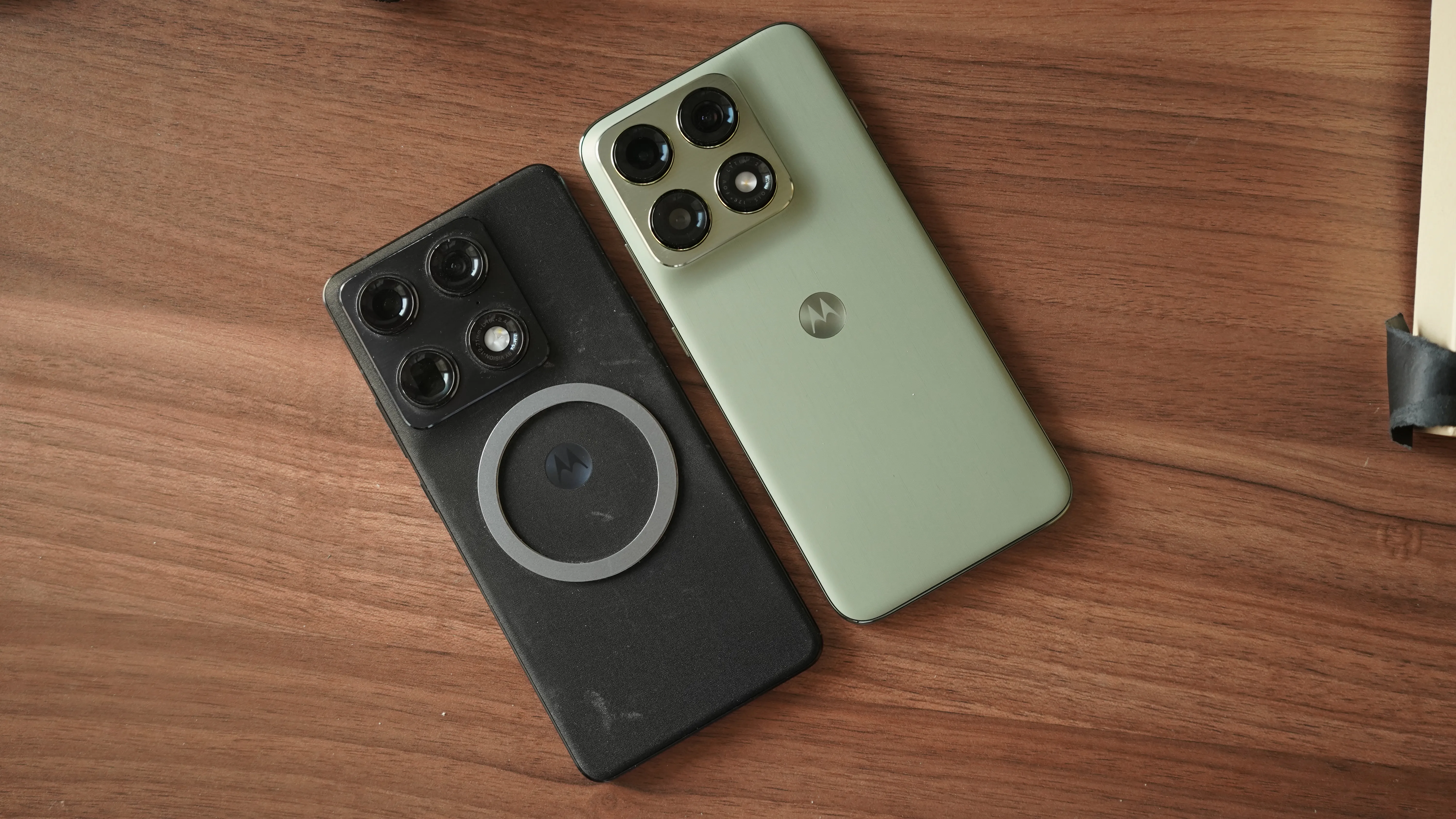
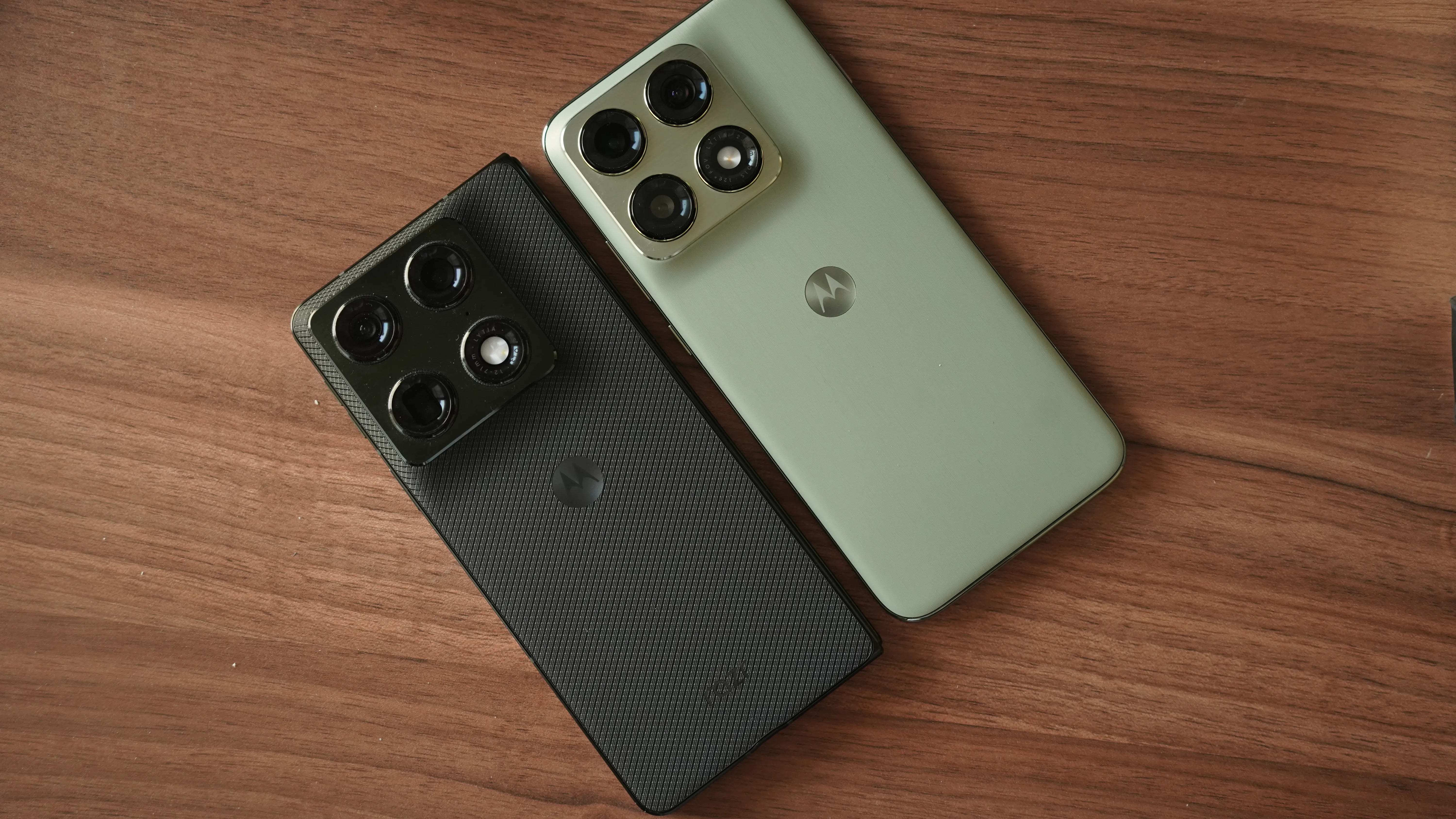
The Edge 70 Pro continues Motorola’s established design language but introduces subtle refinements. The quad‑curved form factor is welcome. The slim profile and clean camera housing remain signature (pun intended), while finishes such as satin‑luxe, fabric and marble textures elevate the premium feel. At 6.99 millimetre thickness and approximately 190 grams in weight, it is among the lightest devices in its class, offering comfort during prolonged use.
The thing about Motorola phones today is that they take uniformity too seriously, and as a result, the Edge 70 Pro’s design is almost similar to its flagship Signature smartphone. This can be seen as a glass-half-full scenario. Here is the photo of the Edge 70 Pro with its flagship sibling, Motorola Signature, and its filthy rich cousin, the Razr Fold, side by side for a design comparison. You see and decide.
There are differences, though. The frame is polycarbonate. That said, it is polished to a higher standard than its predecessor. Practical durability is ensured through IP68 and IP69 ratings alongside MIL‑STD‑810H certification, which, by the way, is not that common in smartphones. In laptops, sure, but not in smartphones. This certification makes it resistant to dust, water and environmental stress, and gives users a kind of assurance that works in real life.
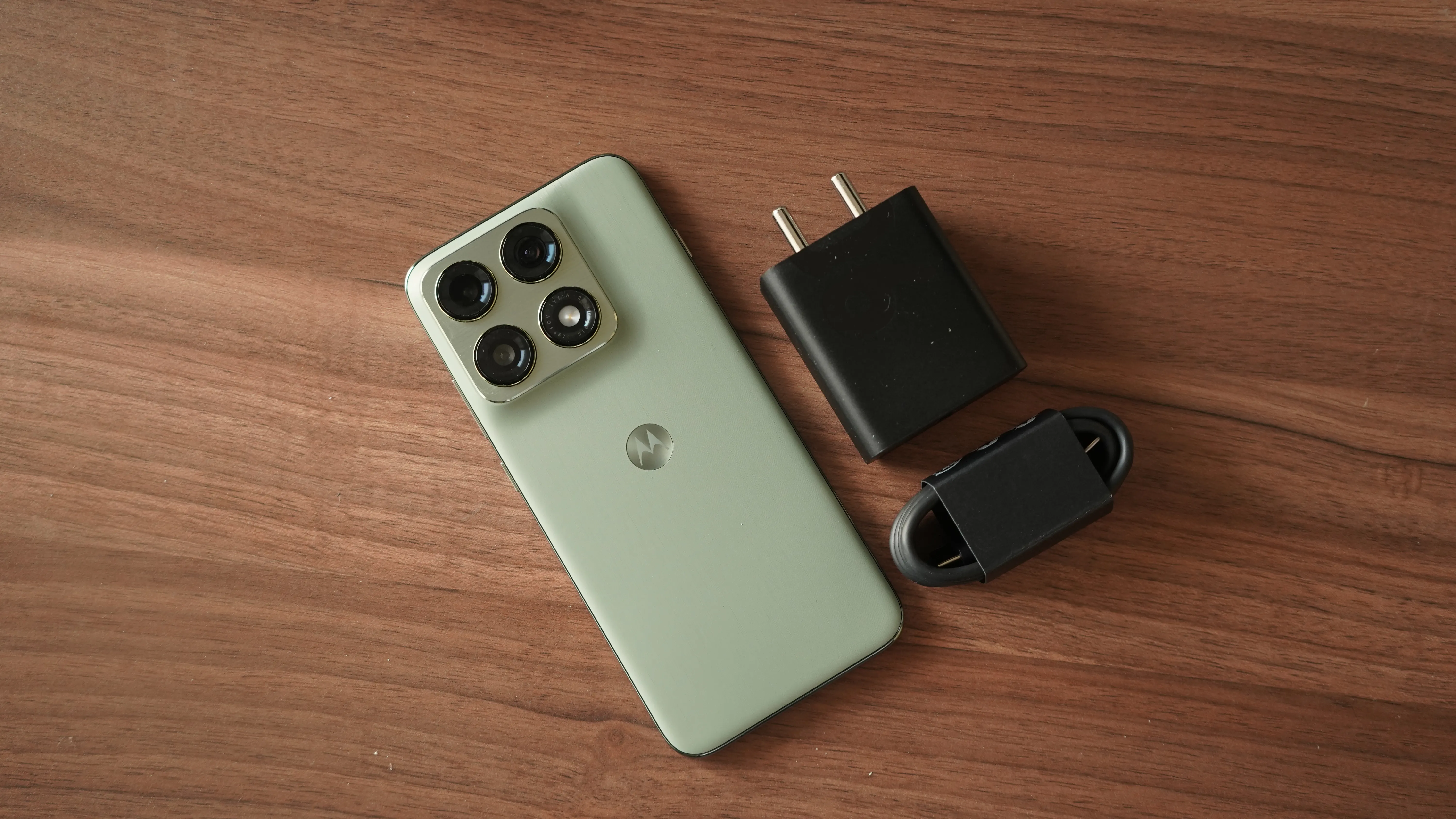
The CMF of the Edge 70 Pro is just too good, if you ask me. I received the green variant, and it has this amazing rubbery and velvety texture that makes holding the phone a little extra special. Whoever gave Motorola this idea of adding different textures to the backpanel, I hope they got a raise.
Display: 144Hz Of AMOLED Bliss
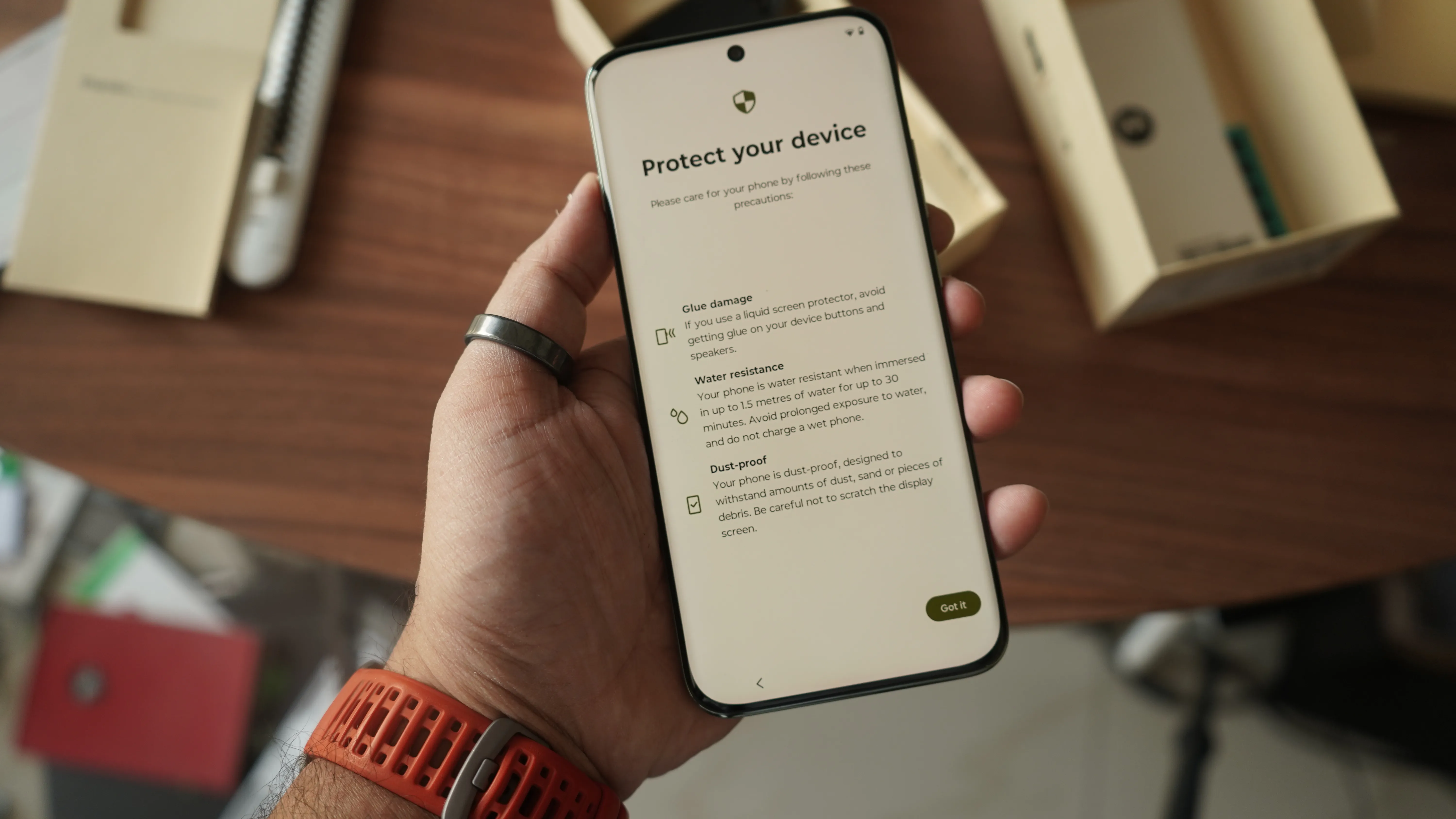
The handset is quite beautiful, if truth be told. At the front, the display features a 6.8‑inch 1.5K Extreme AMOLED panel with a refresh rate of 144 Hz. It supports HDR10+ and reaches a peak brightness of 5,200 nits. Pantone validation guarantees colour accuracy and natural skin tones, which is particularly important for content creators and those who take colour fidelity just too seriously.
Compared to the Motorola Edge 60 Pro, brightness and outdoor visibility are slightly improved. The bezels are also slimmer in this model. If pitted against competitors, the Nord 6 offers a higher refresh rate, the Nothing Phone (4a) Pro achieves similar brightness, and the X8 Pro Max leads in overall value and quality. Motorola’s strength lies in smoothness and colour accuracy.
Software: Moto’s Hello UI Leaves Nothing To Complain About
Running on Android 16 with Motorola’s Hello UI, the Edge 70 Pro maintains a near‑stock Android experience, which remains a differentiator in a market often crowded with heavy custom skins. Moto AI, a combination of Gemini, Perplexity, and Copilot, introduces contextual features such as Next Move, which offers suggestions based on on‑screen activity. Compared to Samsung’s emphasis on long‑term updates and Nothing’s design‑centric approach, Motorola’s philosophy is pragmatic and user‑friendly. Its attempt to replicate a stock Android experience definitely adds value. Additionally, Moto AI, be it on this device or on its flagship Signature or Razr devices, has a lot of utility and that makes it all the more valuable as a tool to have at your disposal.
Furthermore, there is support for 7 years of OTA software updates and security patches.
Performance: Dimensity 8500 Extreme Puts On A Show
The device is powered by the MediaTek Dimensity 8500 Extreme chipset, which is an iteration of the Dimensity 8500 chipset, and given the price point, it fits extremely well. It is paired with 12GB LPDDR5X memory and 256GB UFS 4.1 storage.
Every day performance is just as smooth as I thought, with multitasking, app launches, and gaming seeing issues in execution. Benchmark results are more than decent, per se. A Geekbench single‑core score of 1,669, a multi‑core score of 5,508, while the GPU test clocks a score of 10,837. These are not bad numbers. AnTuTu gets a score of 2 million.
While these scores trail behind super performance-centric phones like Poco X8 Pro Max, you need to understand that Motorola has not positioned this as a flagship killer at all. Gaming performance is strong, with titles such as BGMI and ZZZ running at high settings. Thermals are good, but you do feel a little bit of heating in prolonged gaming sessions.
Equipped with a 6,500mAh silicon‑carbon battery, the Edge 70 Pro lasts a full day under typical usage. While competitors such as the OnePlus Nord 6 and Poco X8 Pro Max boast larger 9,000mAh battery packs, Motorola’s efficiency is admirable. It supports 90W TurboPower charging.
Camera System: A Primary Camera That Lets The Photos Do The Talking
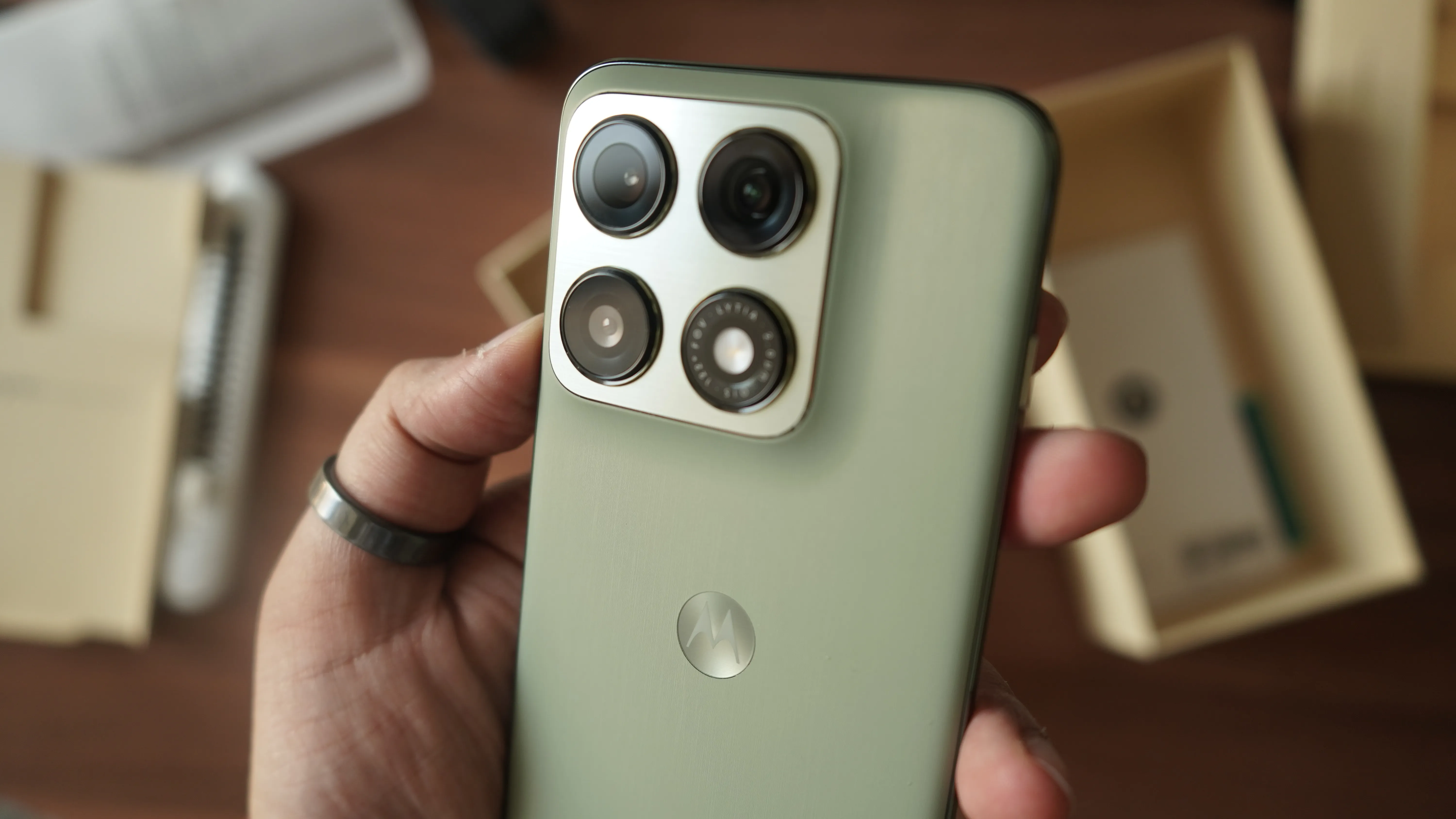
The Edge 70 Pro deploys three 50 MP sensors at its disposal. There is a Sony LYT 710 main sensor, a 50 MP ultra‑wide lens from Samsung and the same 50 MP Samsung front camera. Daylight images are sharp and contrast‑rich, producing visually appealing results.
The ultra‑wide maintains colour consistency, while low‑light performance benefits from the Sony sensor and 3‑in‑1 light sensor, yielding cleaner images with reduced noise.
Portraits are competent but not class‑leading, with skin tones occasionally appearing processed. Selfies are detailed but softened by post‑processing.
Video recording is good with a maximum output of 4K 60fps across all cameras. Compared to rivals, the Motorola Edge 70 Pro has a slight upper hand in terms of dynamic range and colours and matches the Phone 4a Pro’s overall output. It does win with the 4K 60fps video, though.
Verdict: Should You Buy The Motorola Edge 70 Pro?
Hear me out. The Edge 70 Pro changed my perception of it within a few days of usage. The Dimensity 8500 Extreme is a fabulous processor. It comes across as an extremely potent chipset with a very versatile set of skills. One chip to do it all, per se.
I would describe the Motorola Edge 70 Pro as an extremely polished device. It improves performance, stabilises the camera system and retains the strong design language of the series. It is not the most powerful device in its segment, nor the most feature‑rich, but it achieves an equilibrium which is appreciated as a reviewer and as a consumer.
For users who prioritise raw and unfiltered performance, the Poco X8 Pro Max comes to mind. However, for those valuing a powerful display, long‑term software support, and power efficiency, the polished and sensible Edge 70 Pro might actually be the best choice.
The Motorola Edge 70 Pro exemplifies Motorola’s strategy of refinement and user experience rather than going to extremes. As a buyer, I would personally put this above raw performance and a power bank for a battery pack.
For more tech reviews, keep following BW Businessworld and BWTV Prime. |





